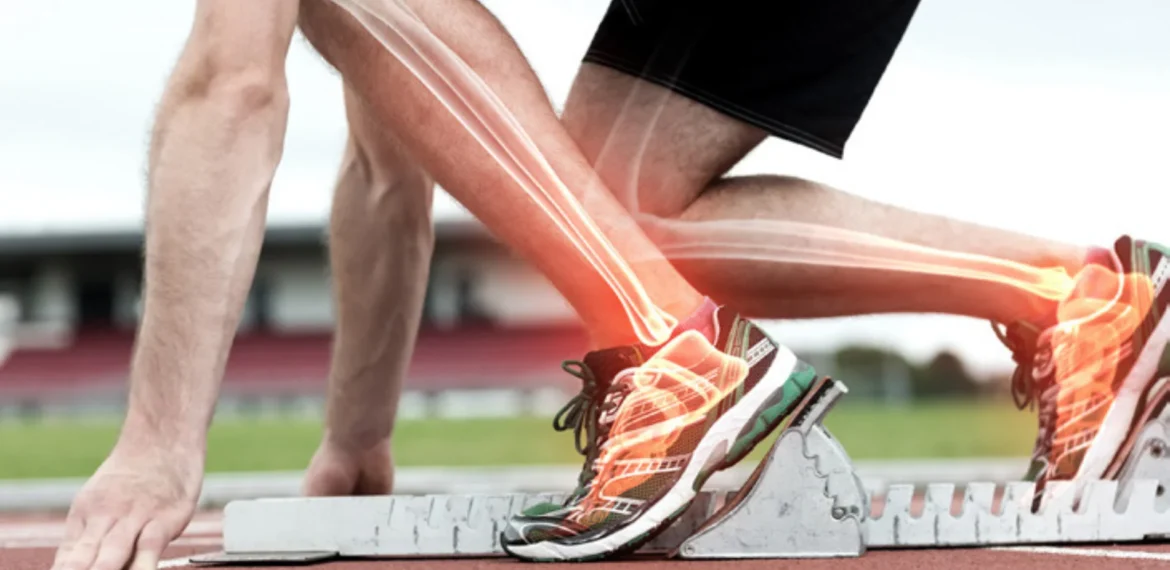
A broken bone needs more than simple rest to mend. Blood flow, tissue activity, and steady support all matter. This explains interest in BPC-157 for bones during recovery research. The peptide has drawn attention because certain repair pathways may respond to its presence. Still, those ideas remain experimental. Understanding the proposed role requires looking beyond claims. Bone repair follows several linked stages, with each stage depending on stable conditions.
Bone Repair Starts With Several Connected Processes
After an injury, the body begins clearing damaged material. New tissue then develops around the affected area. Blood vessels help deliver oxygen and useful nutrients. Stability also gives fresh tissue room to develop. BPC-157 has been studied around these repair processes. Researchers have explored whether certain signals may support recovery activity. That possibility creates interest without proving a treatment effect.
Could Better Blood Flow Support Bone Recovery?
Healthy circulation gives damaged areas essential resources. Without adequate supply, rebuilding can become harder. BPC-157 research has considered effects linked with blood-vessel activity. Such effects could matter around an injured bone. However, improved circulation alone cannot mend every fracture. Position, movement, nutrition, and injury severity still influence progress.
Several practical factors remain important:
- Stable positioning gives new tissue better support.
- Good circulation helps deliver needed nutrients.
- Proper nutrition provides materials for rebuilding.
- Follow-up checks reveal changes during recovery.
Where Could BPC-157 Fit Into Recovery?
The BPC-157 for bones describes an area of experimental interest, it does not represent an established fracture treatment. Current thinking centers on possible support for repair signals. Those signals may affect surrounding tissue and circulation. Even so, a proposed mechanism cannot confirm real-world results. Human evidence would need to show clear healing benefits.
Stability Remains Central During Bone Healing
A damaged bone needs suitable mechanical support while rebuilding. Excess movement can interfere with developing tissue. That makes proper alignment especially important after injury. Depending on the fracture, treatment may involve casting or bracing. More serious breaks can require surgical fixation. Such measures address the physical side of recovery.
For healing to progress, several pieces must work together:
- Alignment keeps the damaged structure properly positioned.
- Support limits unnecessary movement during repair.
- Nutrition supplies useful building materials.
- Medical checks track changes over time.
A Small Detail Could Change The Picture
Bone recovery depends on more than one helpful pathway. Even strong circulation cannot overcome poor fracture stability. That point gives the subject a useful perspective. Experimental peptides may influence recovery conditions, yet structure still matters. A well-aligned fracture remains the clearest foundation for repair.
FAQs
Is BPC-157 proven for bone healing?
No, current understanding does not establish it as a proven fracture treatment. Its possible role remains an area for further investigation.
Can BPC-157 replace standard fracture care?
No, proper assessment and stabilization remain essential after bone injury. Experimental peptides should not substitute for established medical treatment.
Why does circulation matter during recovery?
Blood supplies oxygen and nutrients around damaged tissue. Stronger circulation may therefore support the rebuilding environment.
What would stronger evidence require?
Controlled human studies would need measurable healing and safety outcomes. Clear results would help separate biological theory from practical treatment.