

Maintaining the functionality of your toilet is essential for the smooth operation of your household. One of the most common issues faced by homeowners is toilet clogs, which can be inconvenient and potentially costly if not addressed promptly. To avoid such problems, regular inspection of your toilet for potential clogs is highly recommended, so read about effective toilet unclogging techniques.
Signs of a Potential Toilet Clog
Before a toilet becomes completely clogged, there are usually warning signs that indicate a potential issue on how to unclog a toilet without a plunger. These signs include:
· Slow Draining: If you notice that water is draining more slowly than usual after flushing, it could indicate a partial blockage in the pipes.
· Gurgling Noises: Strange gurgling noises coming from the toilet or drainpipes can suggest that there is air trapped in the plumbing due to an obstruction.
· Water Backup: The most obvious sign of a clog is water backing up into the toilet bowl or even onto the bathroom floor.
Recommended Inspection Frequency
To prevent major toilet clogs, it is advisable to inspect your toilet regularly. The frequency of inspection can vary depending on several factors:
· Household Size: Larger households with more frequent toilet use may need more frequent inspections.
· Age of Plumbing: Older plumbing systems are more susceptible to clogs and may require more frequent inspections.
· Usage Habits: If your household uses a lot of toilet paper or flushes items that shouldn’t be flushed (like wipes or sanitary products), more frequent inspections may be necessary.
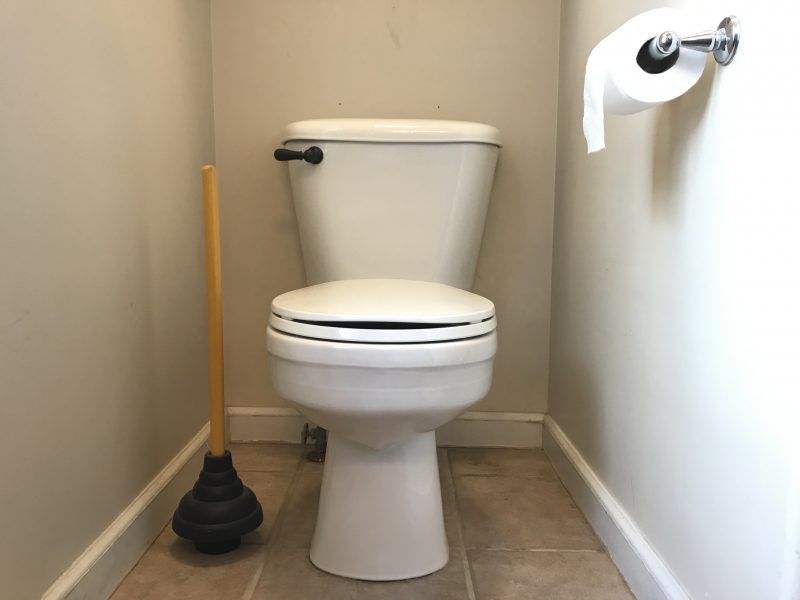
General Guidelines for Inspection
As a general guideline, inspecting your toilet for potential clogs at least once a month is recommended. This allows you to catch any early signs of a clog before it becomes a major issue. During your inspection, you can:
· Check Flushing Performance: Flush the toilet and observe how well it flushes. If you notice any hesitation or incomplete flushing, it could be a sign of an impending clog.
· Look for Water Backup: After flushing, check to ensure that the water level in the bowl returns to normal and does not rise higher than usual.
· Listen for Unusual Noises: Listen for any unusual gurgling or draining noises that could indicate a partial blockage.
Preventative Measures
In addition to regular inspections, taking preventative measures can help reduce the likelihood of toilet clogs:
· Use Toilet Paper Wisely: Use only the amount of toilet paper necessary and avoid flushing excessive amounts at once.
· Avoid Flushing Foreign Objects: Ensure that only toilet paper and waste are flushed down the toilet.
· Install a Toilet Auger: Keeping a toilet auger on hand can help quickly and efficiently clear minor clogs before they become major issues.


